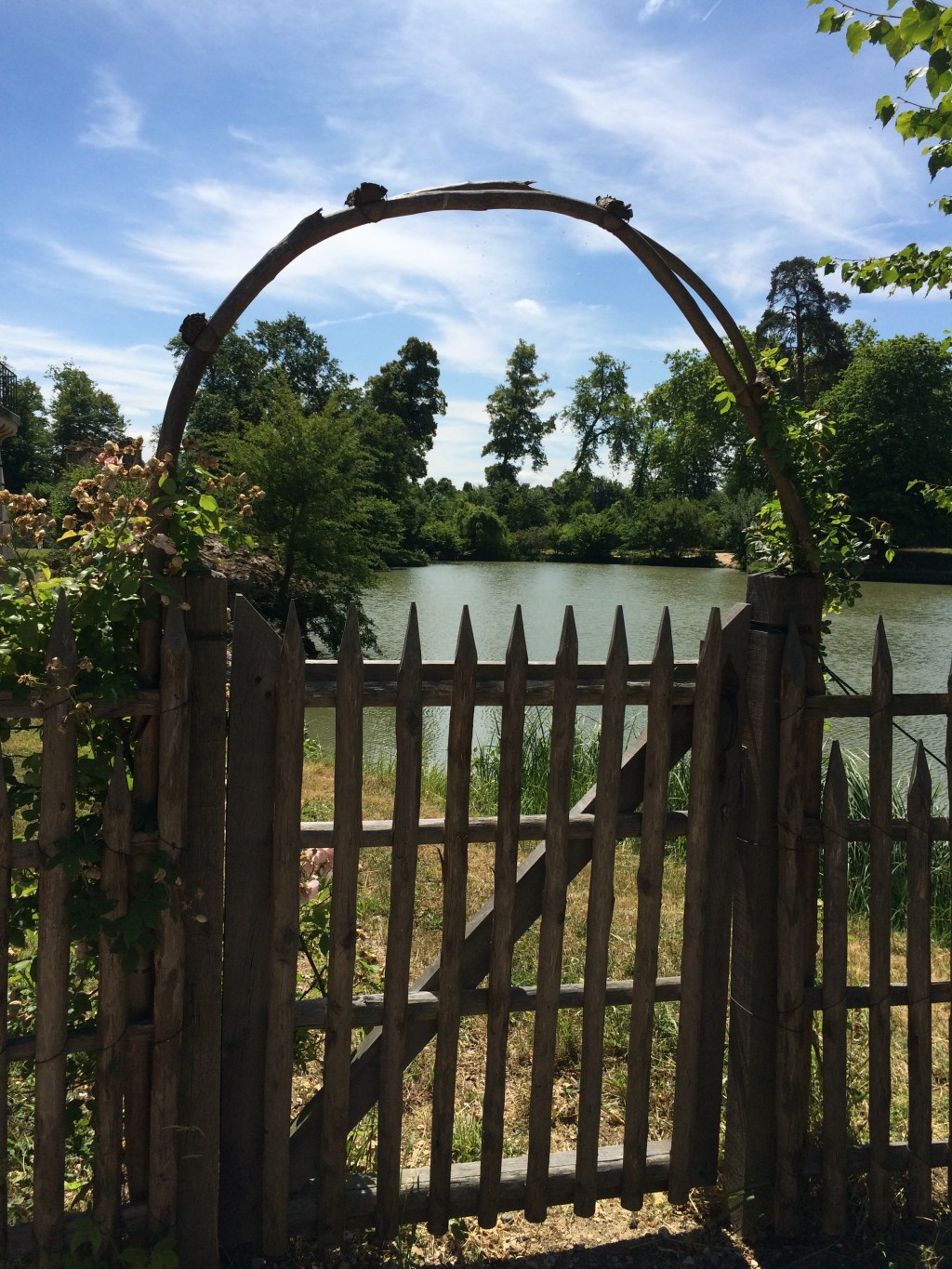
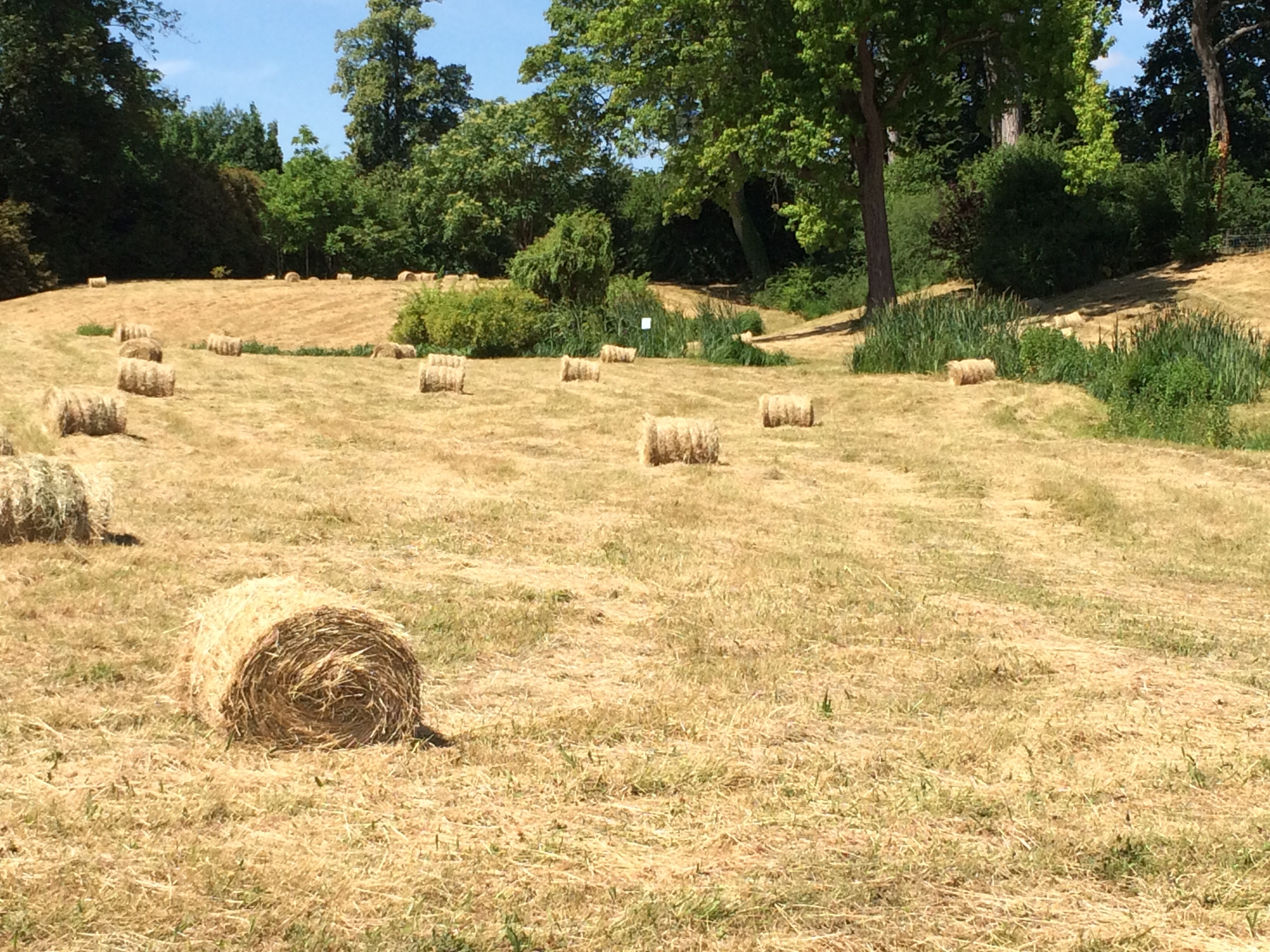
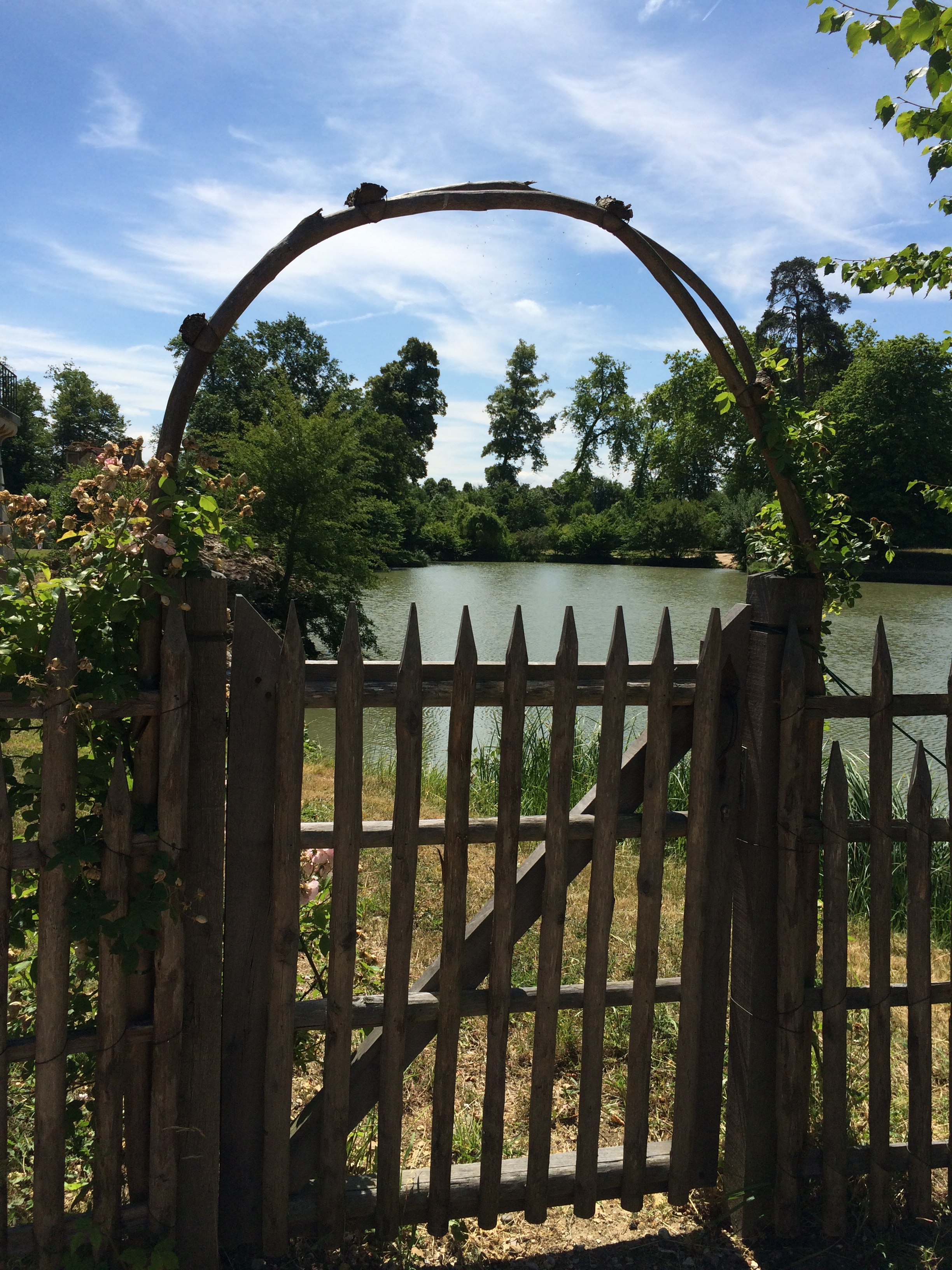
Next stop was the Hameau de la Reine, a fake peasant village, arranged around a little lake. The hamlet looks like an 18th century architect’s idealized vision of rustic country living. Which is exactly what it is. Richard Mique designed the site for the queen. Most of the houses are merely decorative, much neglected in post-revolution times, and now not safe to enter (though nicely renovated). None of them serve any real function.
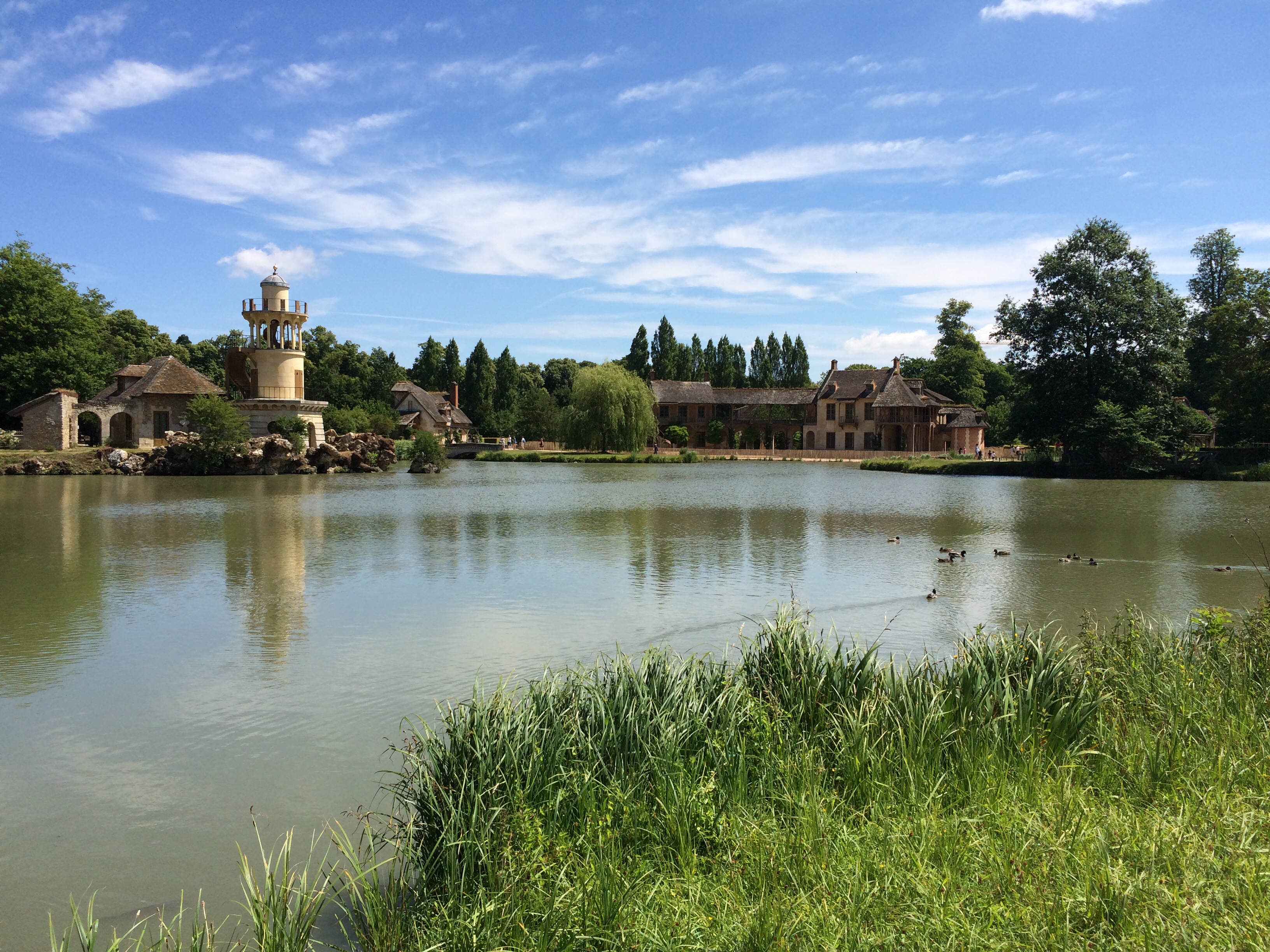
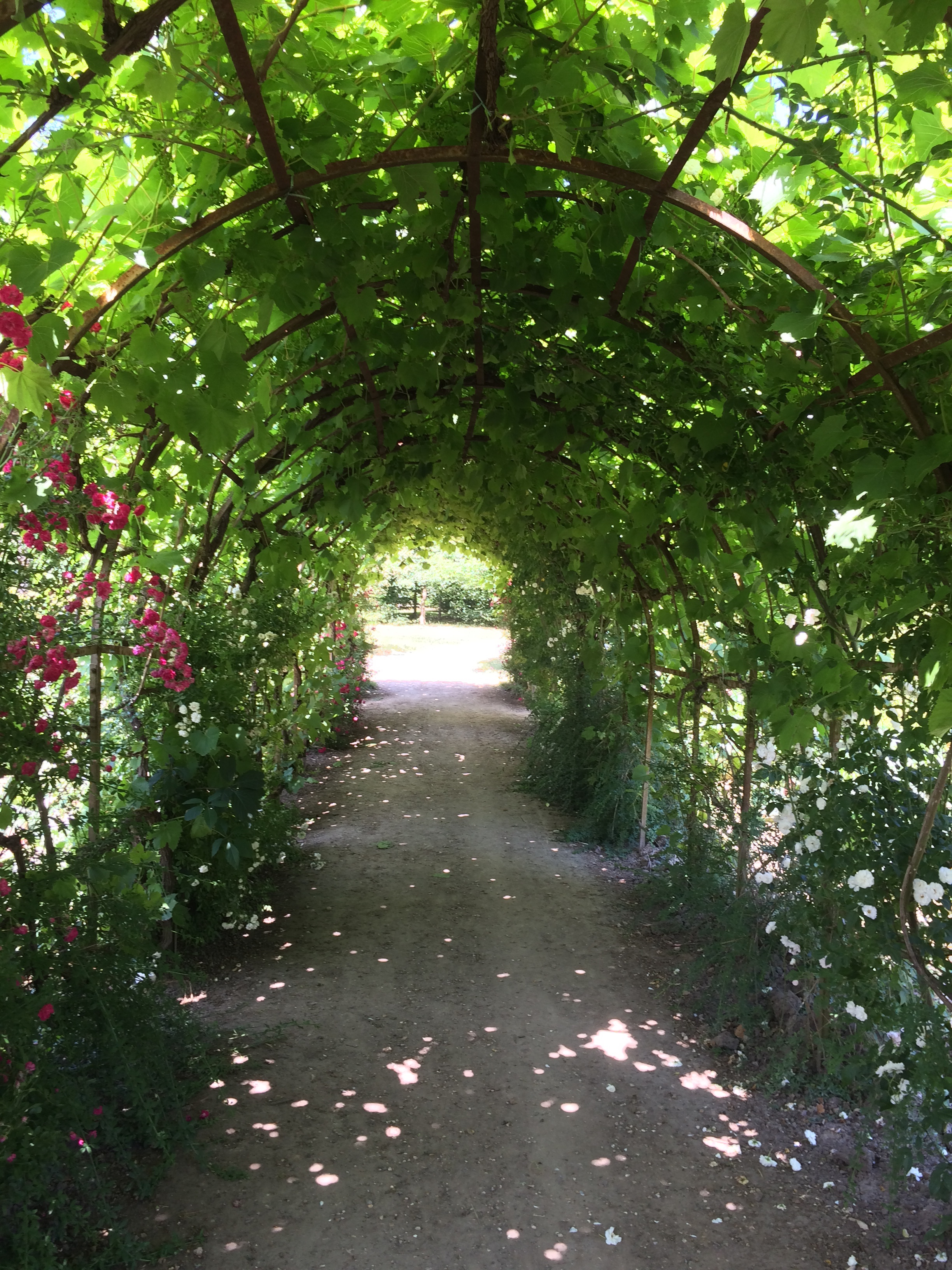
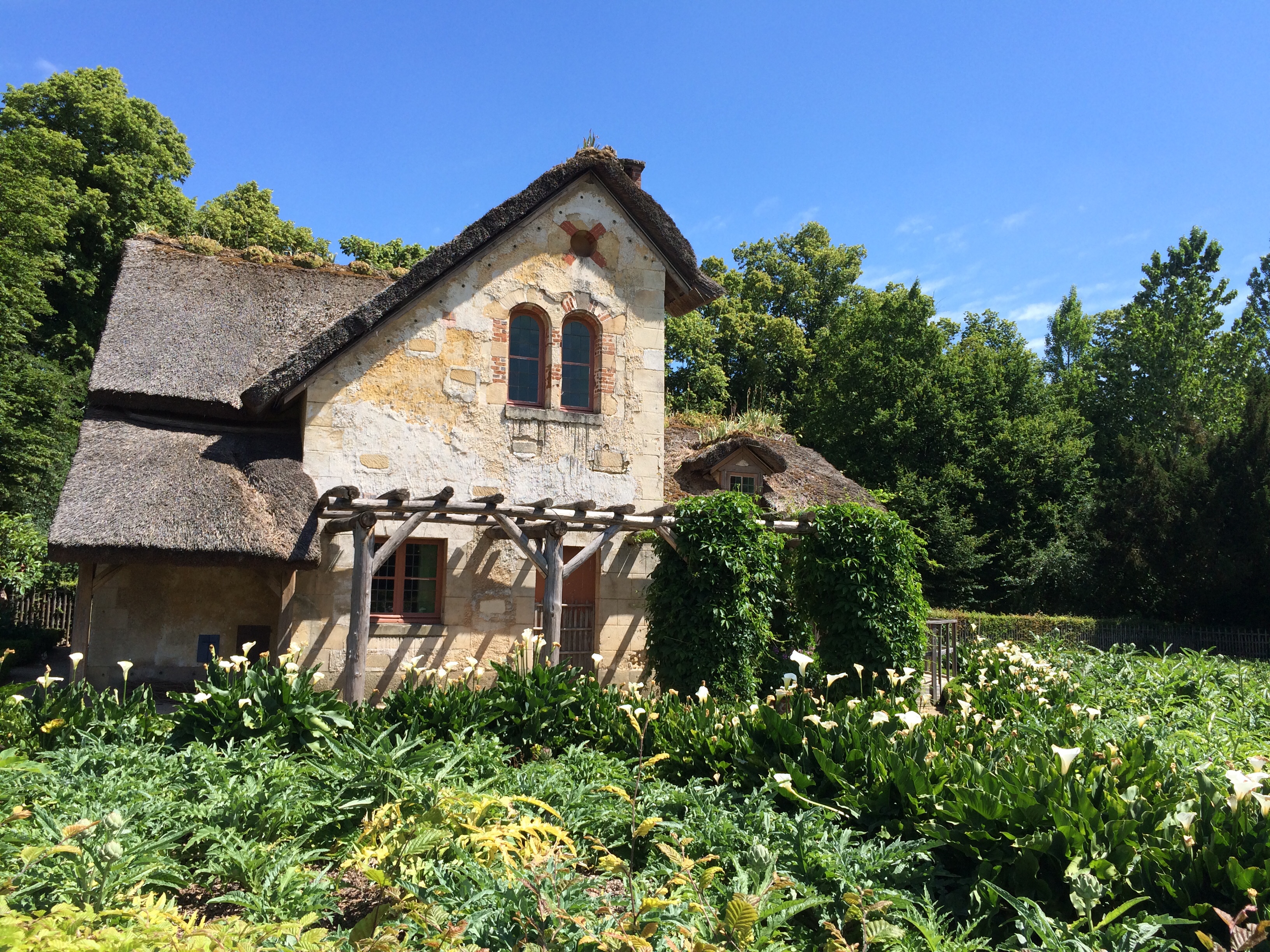
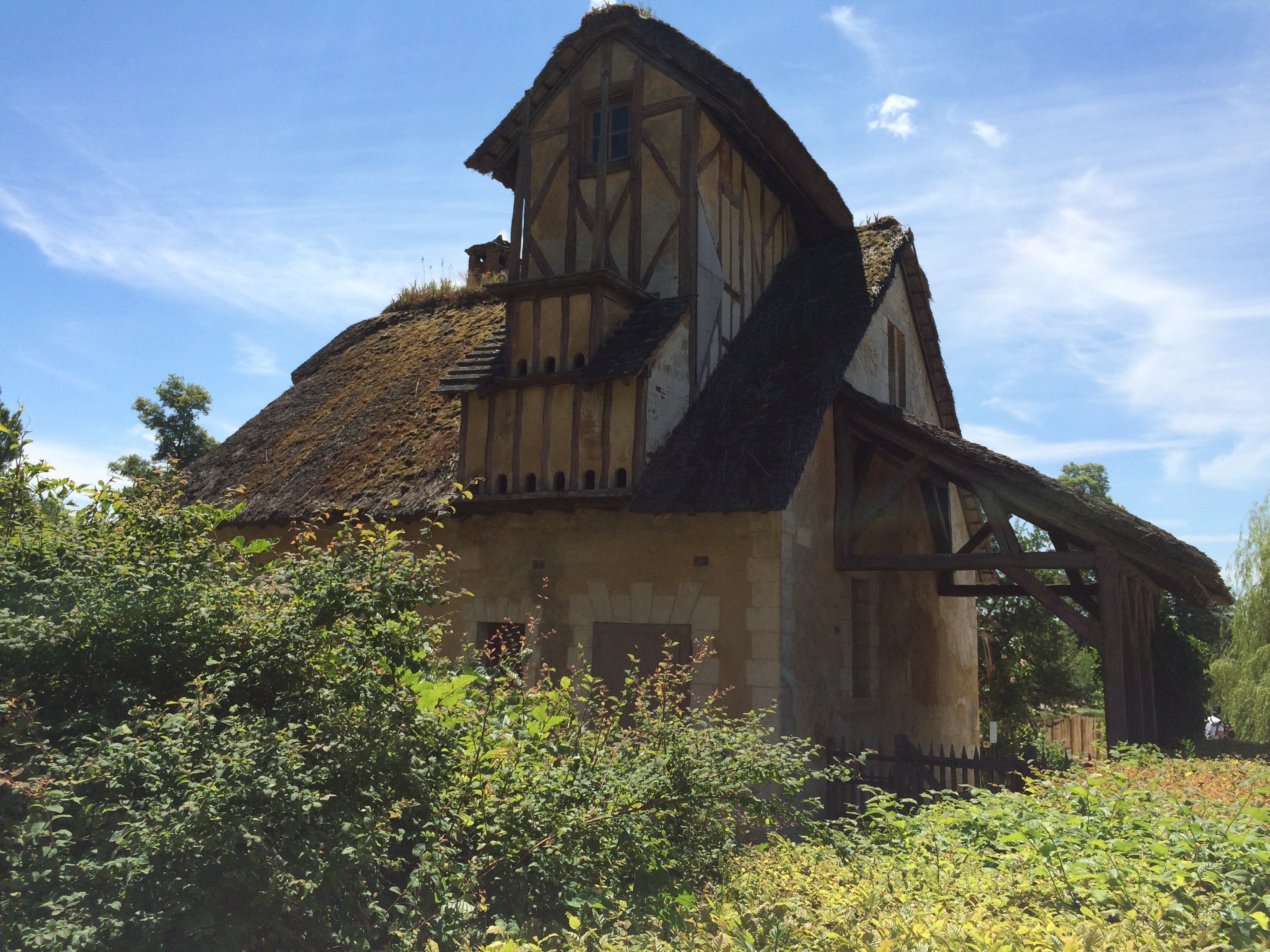
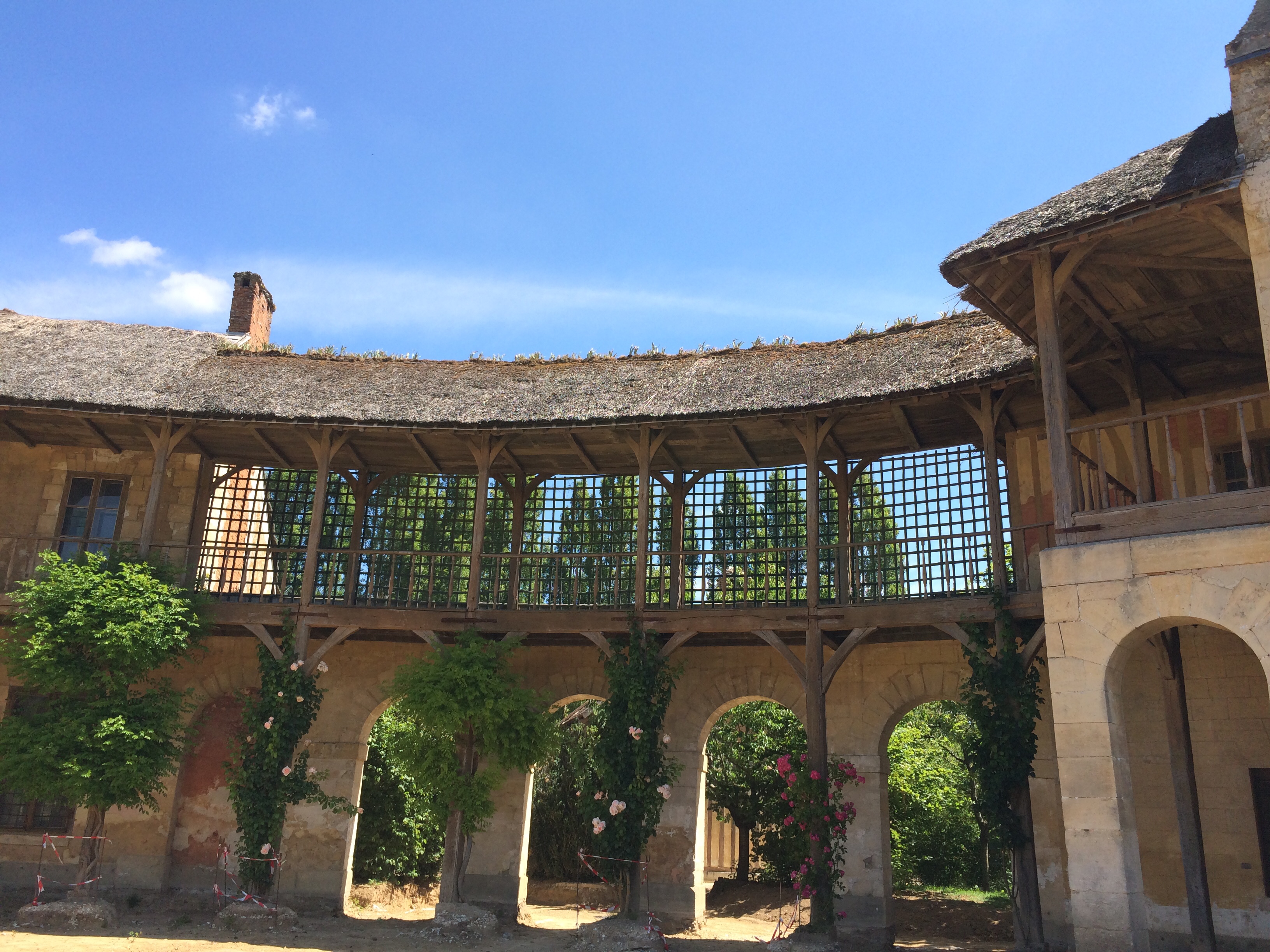
Walking into the hamlet gave me the same feeling I had the first time I visited the EPCOT Center-—sure, it looks great, but it’s all patently fake. I once heard an architect describe this kind of architecture as “synography,” (a portmanteau of synthetic and geography). It’s the kind of thing that abounds in theme parks, and themed vacation villages. The lack of functionality, I gather, is a part of the overall design, and there are depths there to plumb when one considers what that says about us as consumers of such spaces. Because they abound everywhere. Among them the follies that filled English and French gardens in the period when the geometry of the formal French gardens were falling out of vogue (see Stowe, or Ermenonville). But the garden itself is originally conceived as such a space, too. So it’s not surprising that we find such spaces already enclosed within gardens, or other artificial environments (here I’m thinking of the virtual spaces of the digital world).
It’s interesting to me, too, that this need for simulation wasn’t just the fetish of one very cloistered monarch whose everyday existence was already far beyond the bounds of normal, but a slightly more universal desire, something that we all seem to want and need. Which, I guess, is why I find Foucault’s “Des Espaces autres” so compelling.
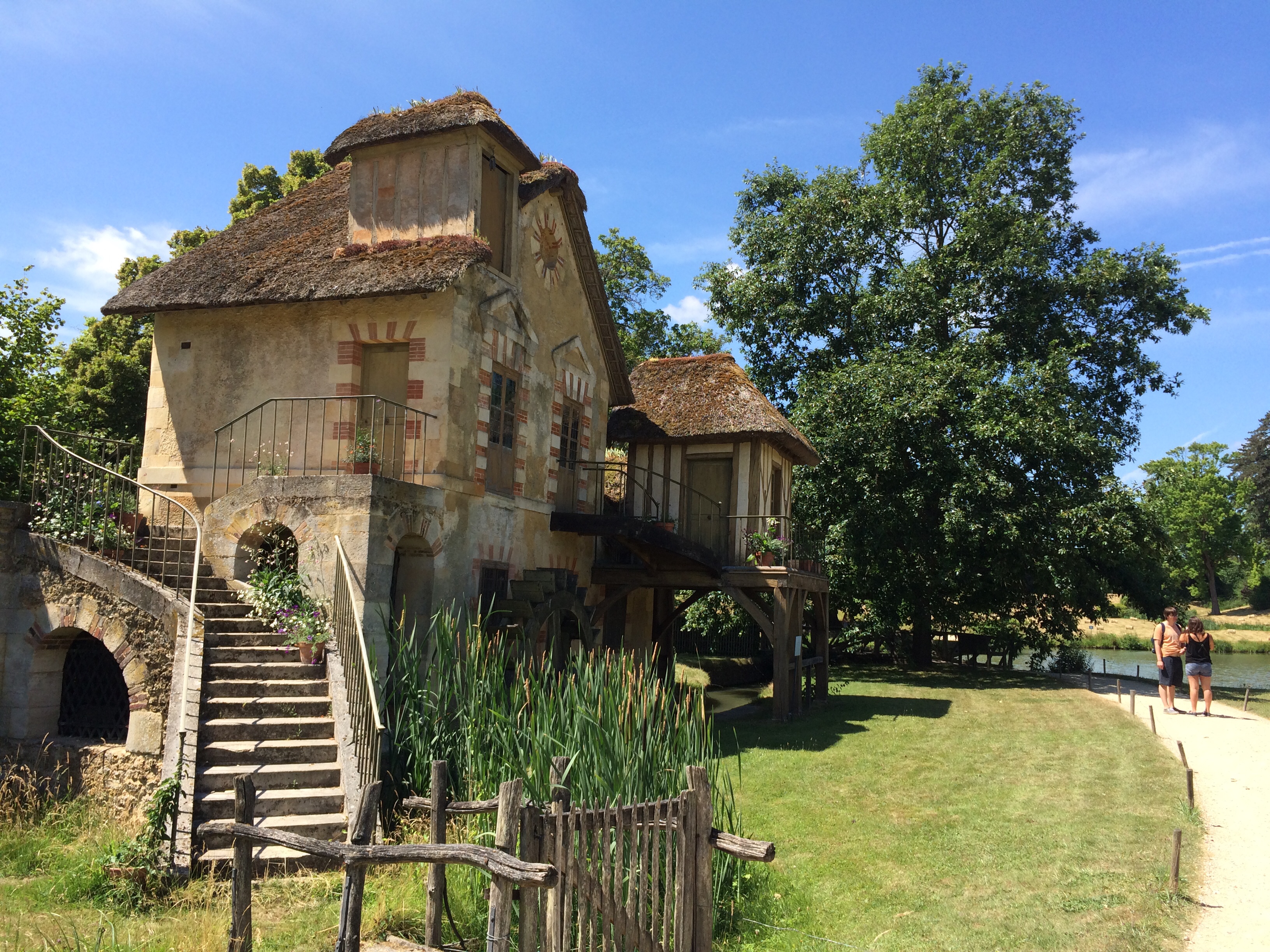
In any event, Marie Antoinette would retreat from court life to le Petit Trianon, and then sometimes spend her days playing at being peasants while several years of poor harvests led to starvation in the provinces. Our guide told us that the Hameau, when the revolution came to Versailles, was a source of particular outrage. These days it’s just an outdoor living doll house with mostly foreign tourists wandering the paths instead of domestic servants dressed in peasant clothing.
 Matt Yost [dot] Net