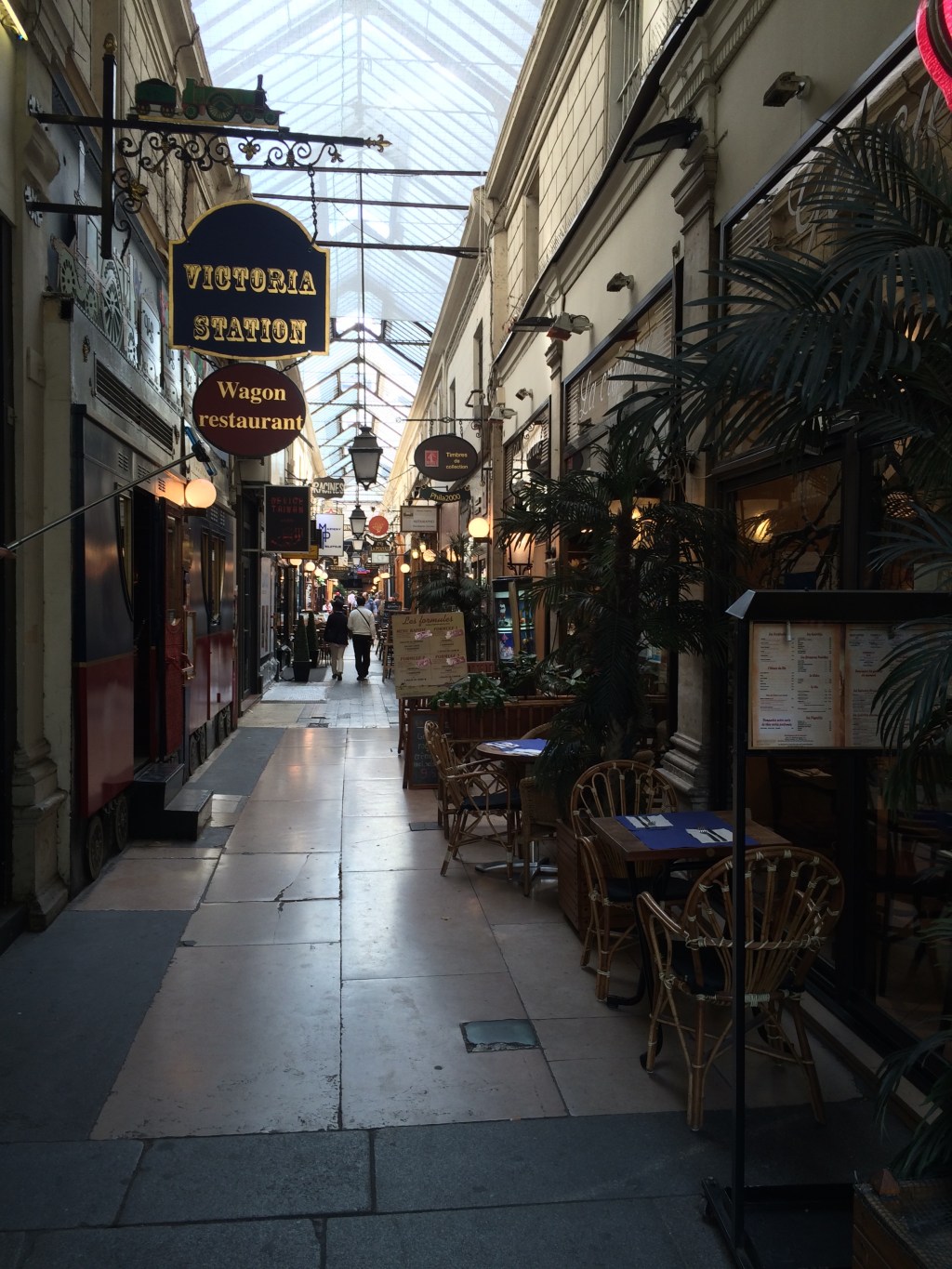
In the interest of catching up with the backlog of old photographs from my research trip to Paris, here are a few.
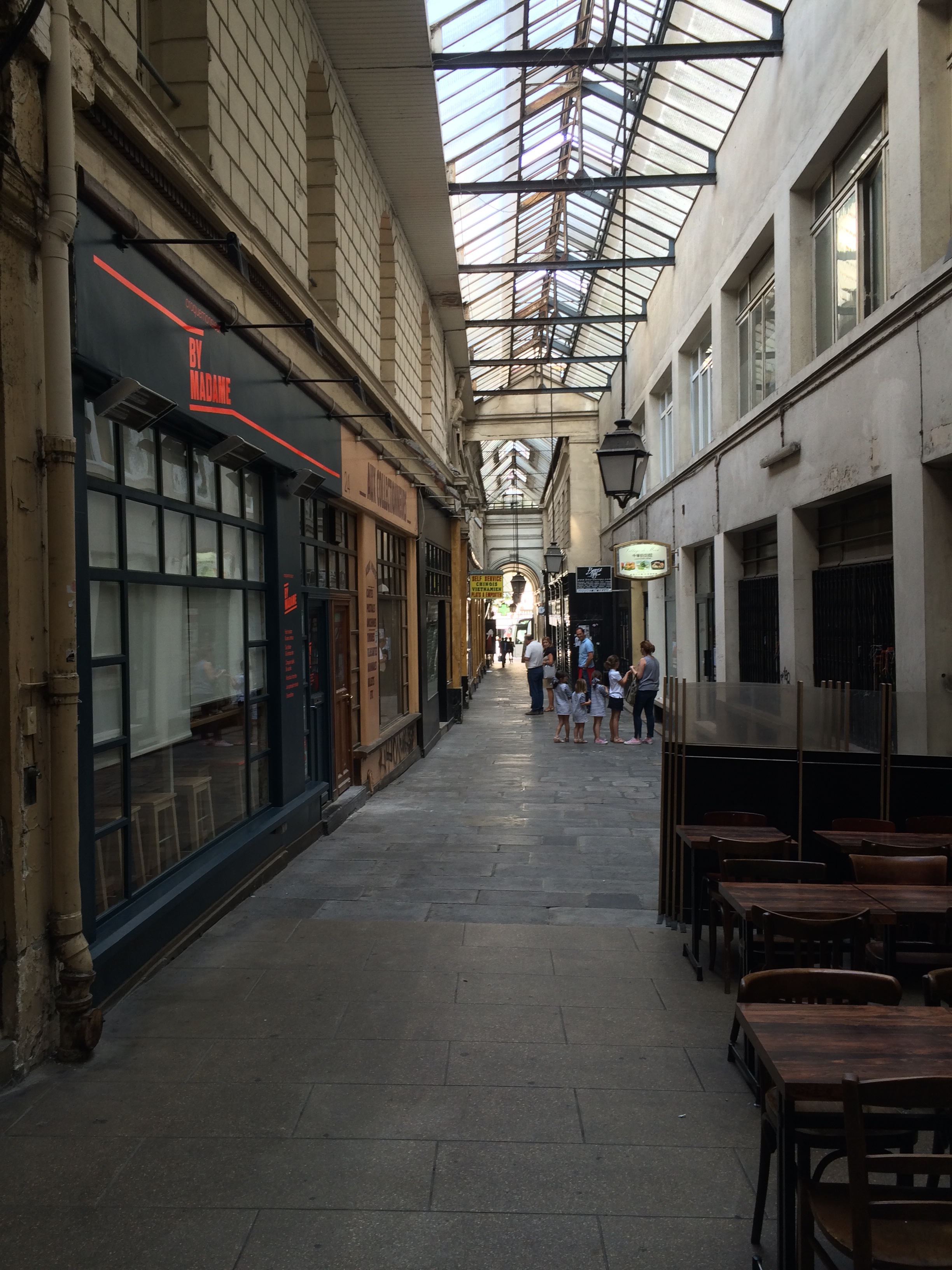
I had never visited the Passage des Panoramas before, but I had been talking about this and the other Passages frequently with my advisor. I went and took these photos because the day after I arrived in Paris I found out that I had been awarded a graduate teaching fellowship and that my course on Paris had been approved. I took these to show my students what the arcades looked like, which we would discuss when talking about Baudelaire and Walter Benjamin.
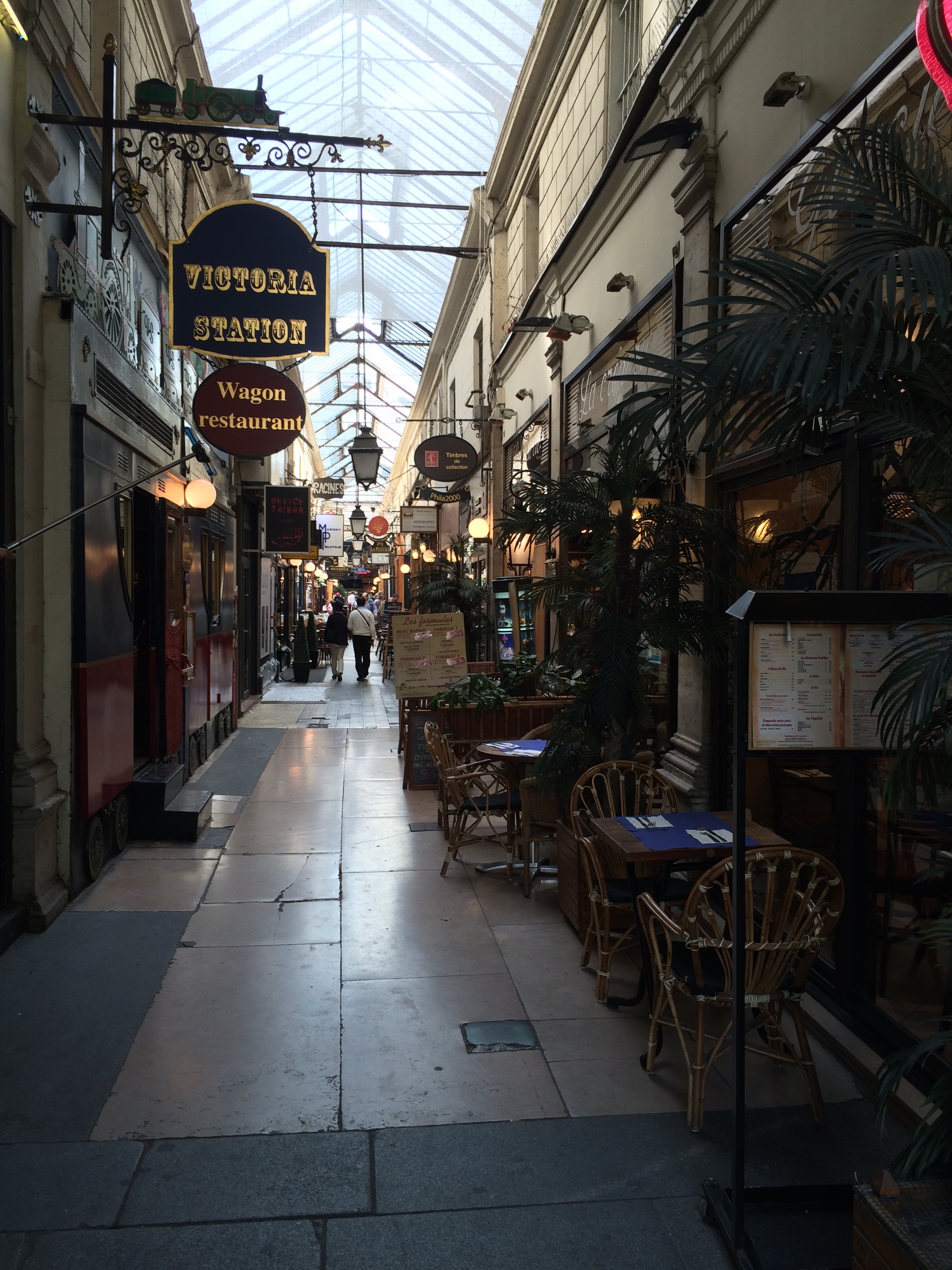
Thinking about Baudelaire’s fascination with these spaces, I sometimes wonder if the way they have changed over the years hasn’t been influenced by Baudelaire’s conception of them (or if my perception of them hasn’t been influenced by Baudelaire), such that we (or I) can’t see them but through his eyes. Certainly there is something that makes me think these spaces would appeal to him more now than they did during his lifetime—newness and modernity given time to grow old and begin to decay. Or perhaps the tenants along the passage are playing up that aspect of the Passages, to draw in the visitor looking for something beyond the Haussmanian boulevard, which in the topmost photograph was directly behind me.
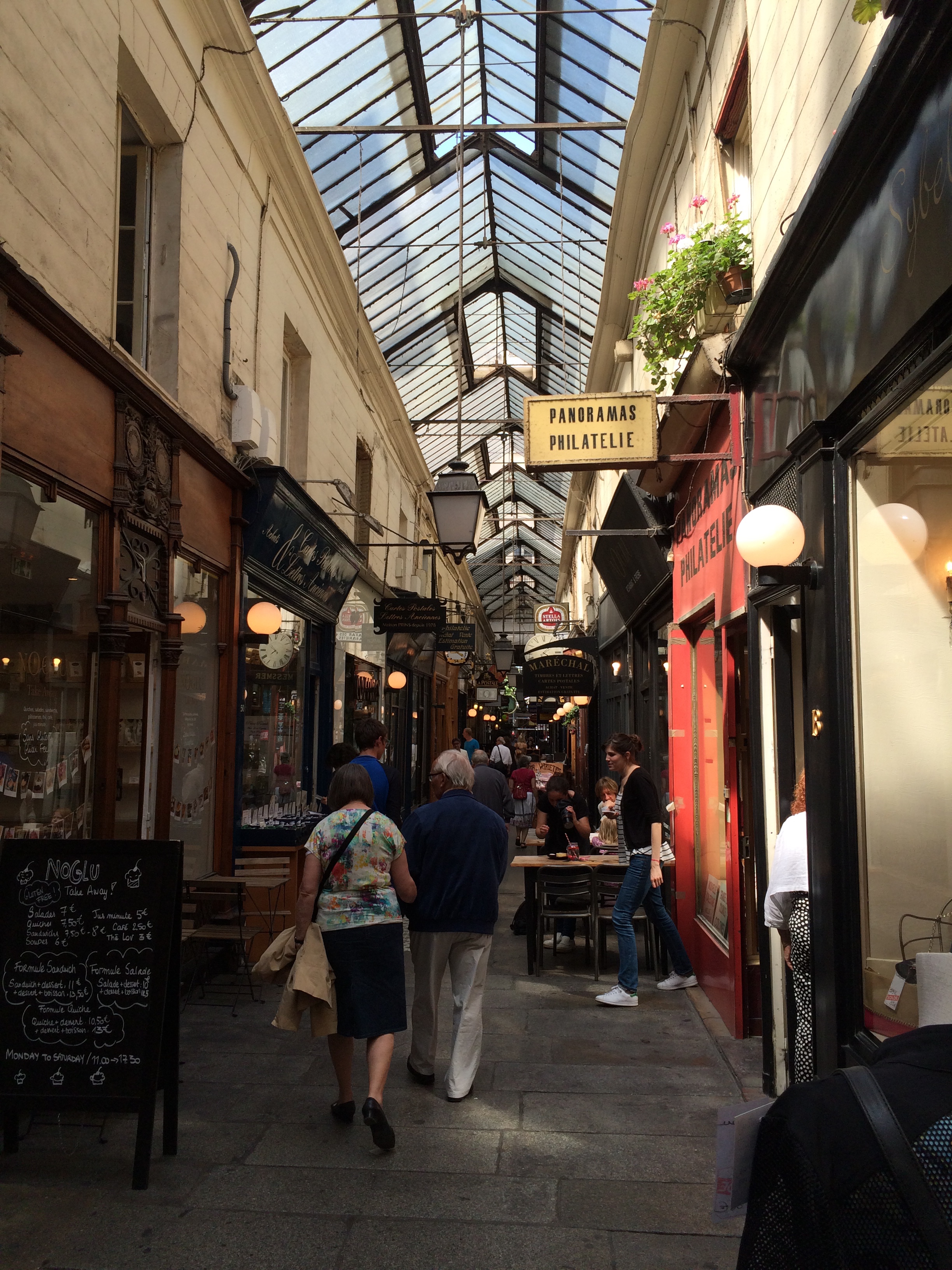
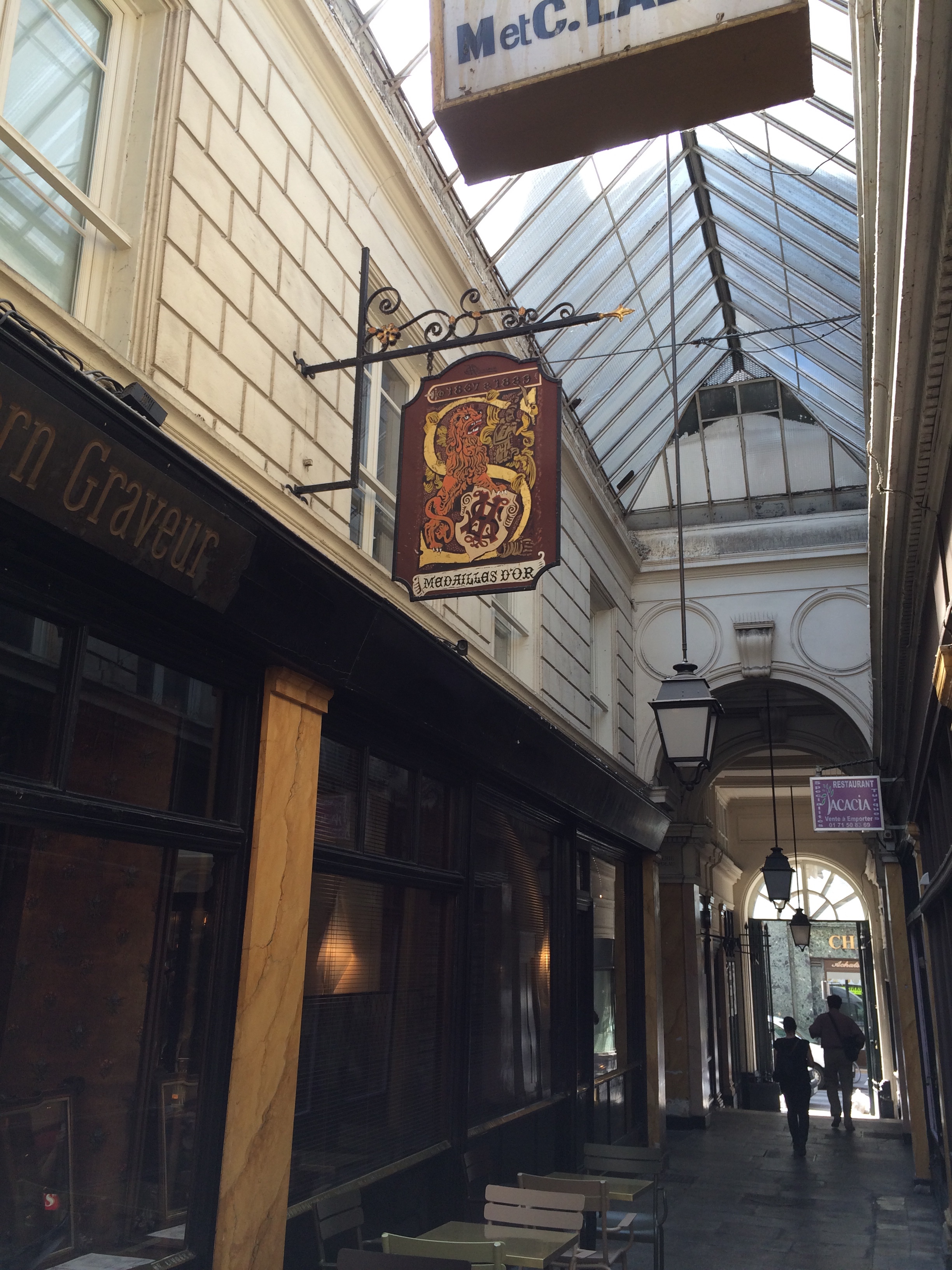
More surprising was that, after leaving Paris, and heading off to Cardiff, I discovered that the center city is full of similar passages. (The Passages of Paris date roughly to the 1820s, but over the next century or so, they would be copied all over the world, from St. Petersburg, to Sydney, Australia).
Here are the ones in Cardiff.
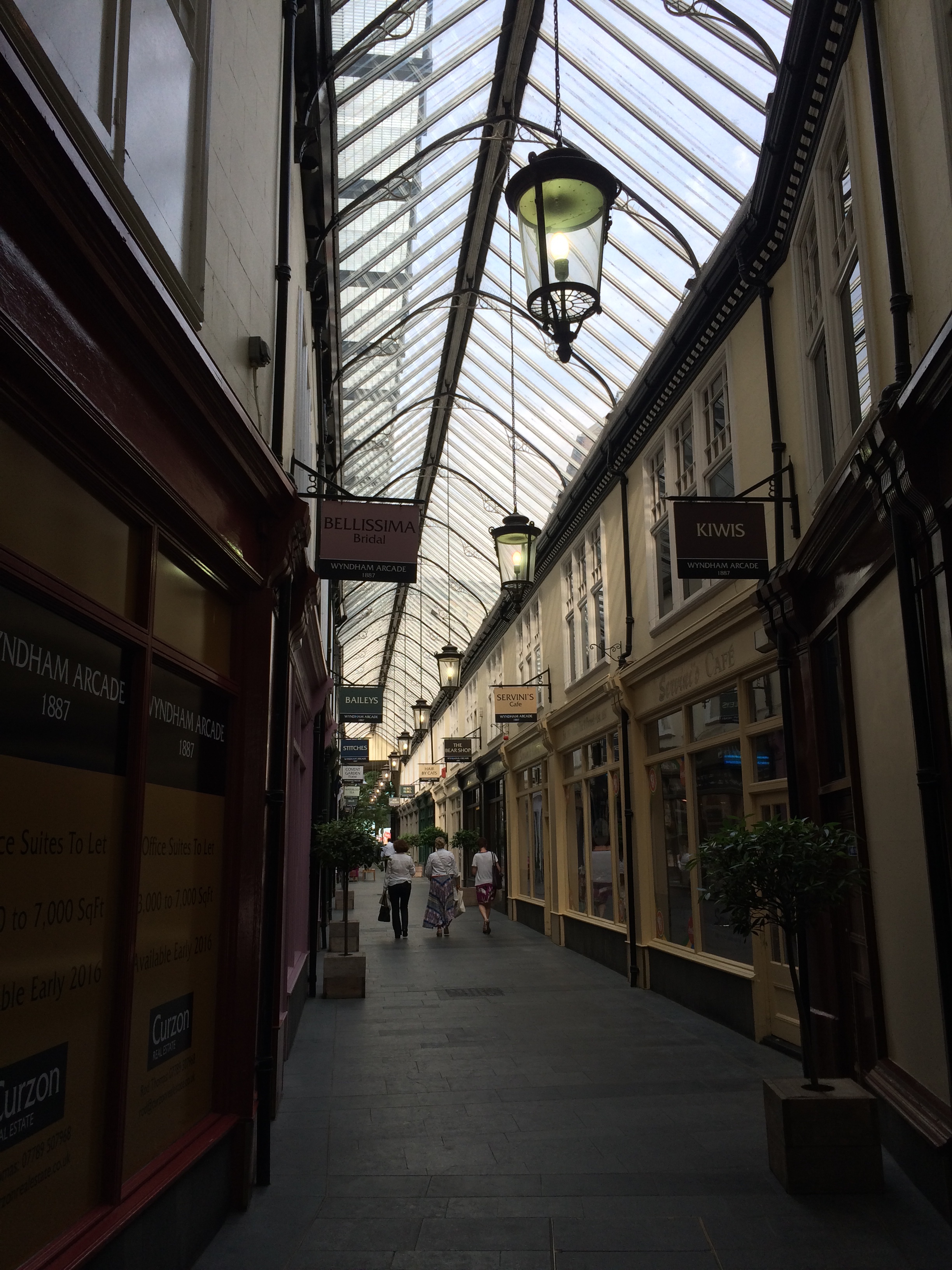
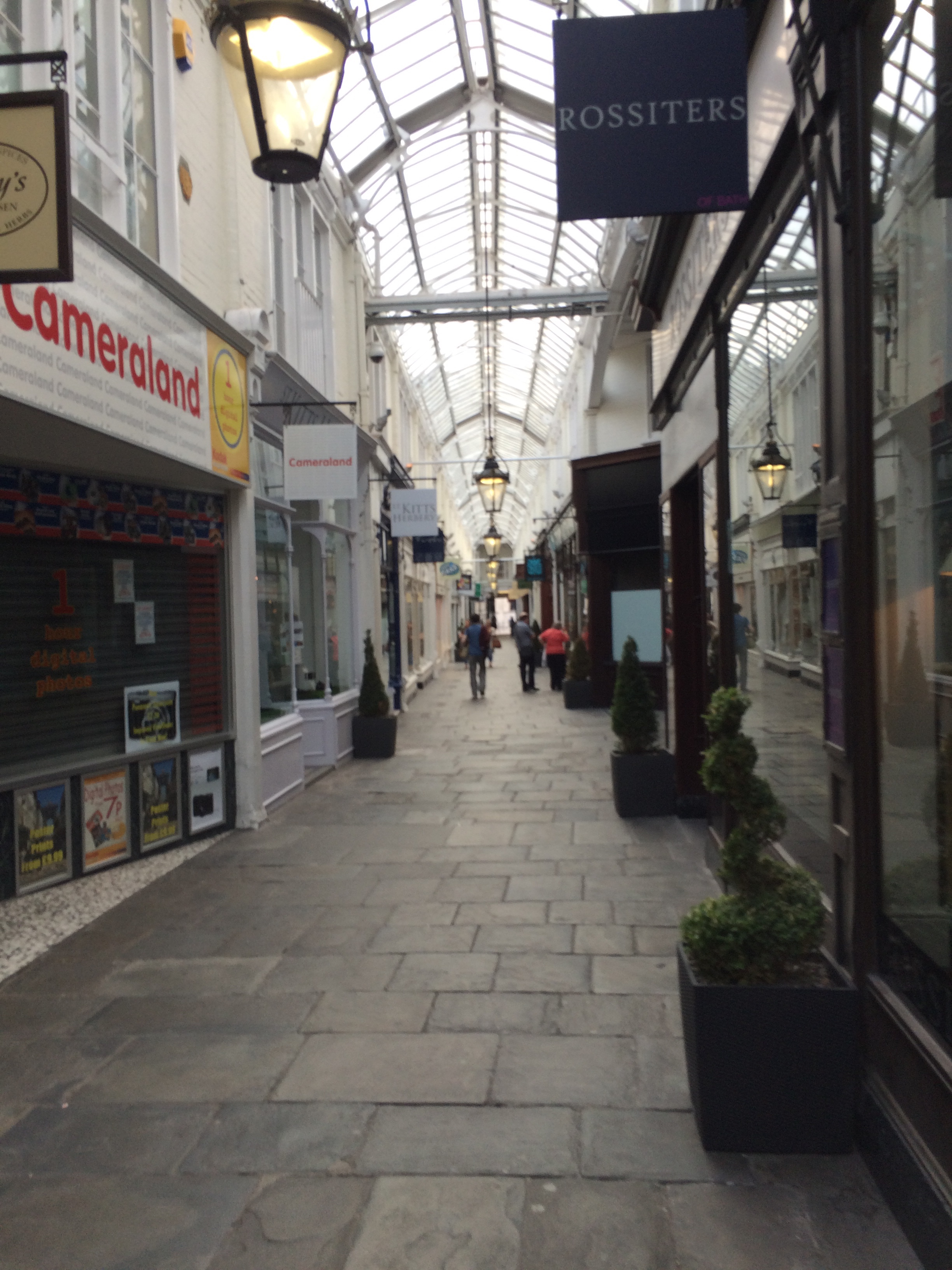
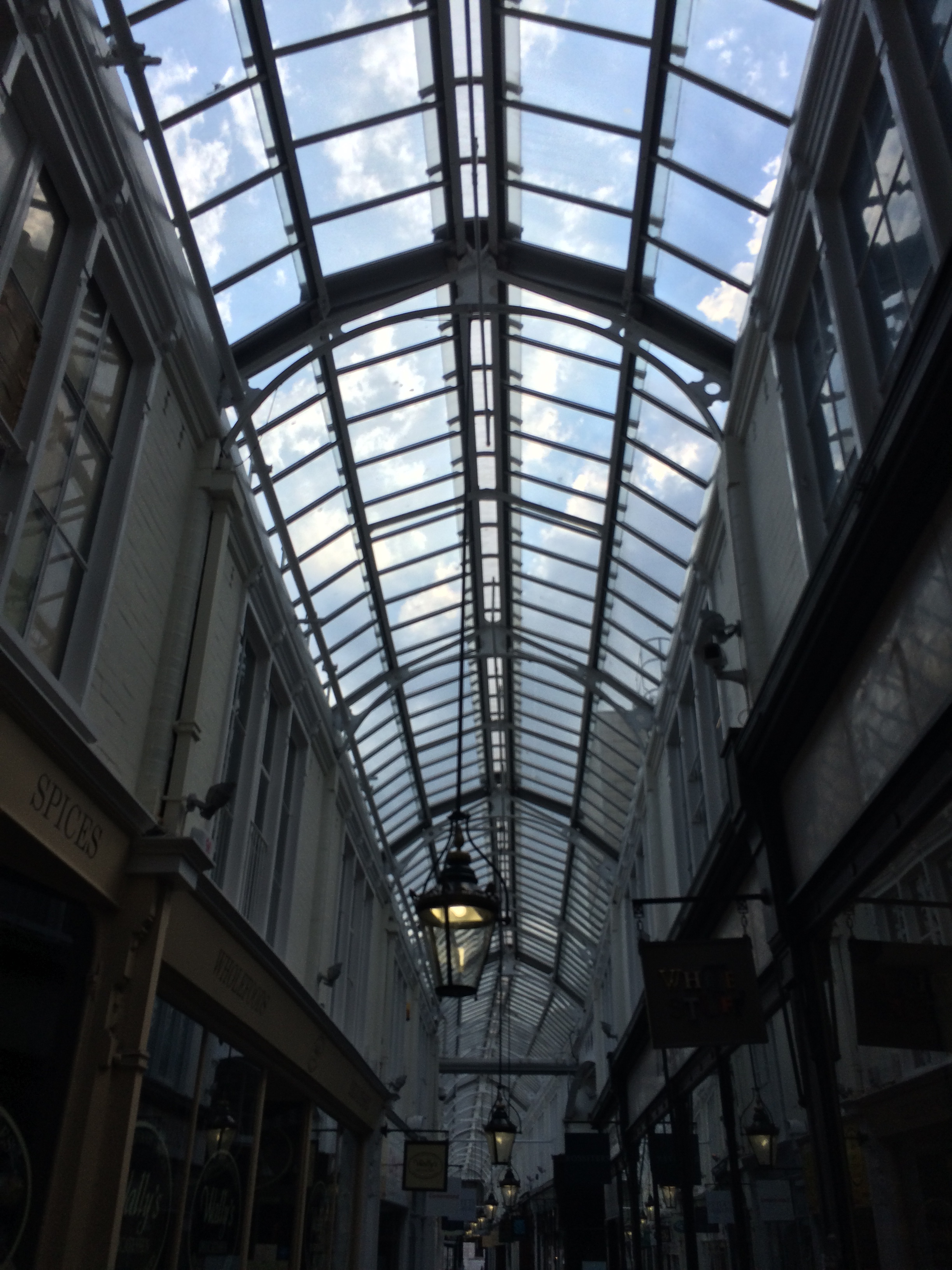
As you can see, they’re newer, and have been more recently renovated and restored. The glass roof is set at the same level—the second story, but the height of the individual buildings seems to be somewhat taller than in in Paris. It is possible that the these passages are also a foot or two wider, which makes for a slightly brighter, slightly more appealing space, though the idea is the roughly the same.
 Matt Yost [dot] Net